Democratic States of Photography: An Essay by Kevin Moore
Posted on July 2, 2026
“Of the people, by the people, for the people . . .” —Abraham Lincoln, Gettysburg Address, 1863
By Kevin Moore
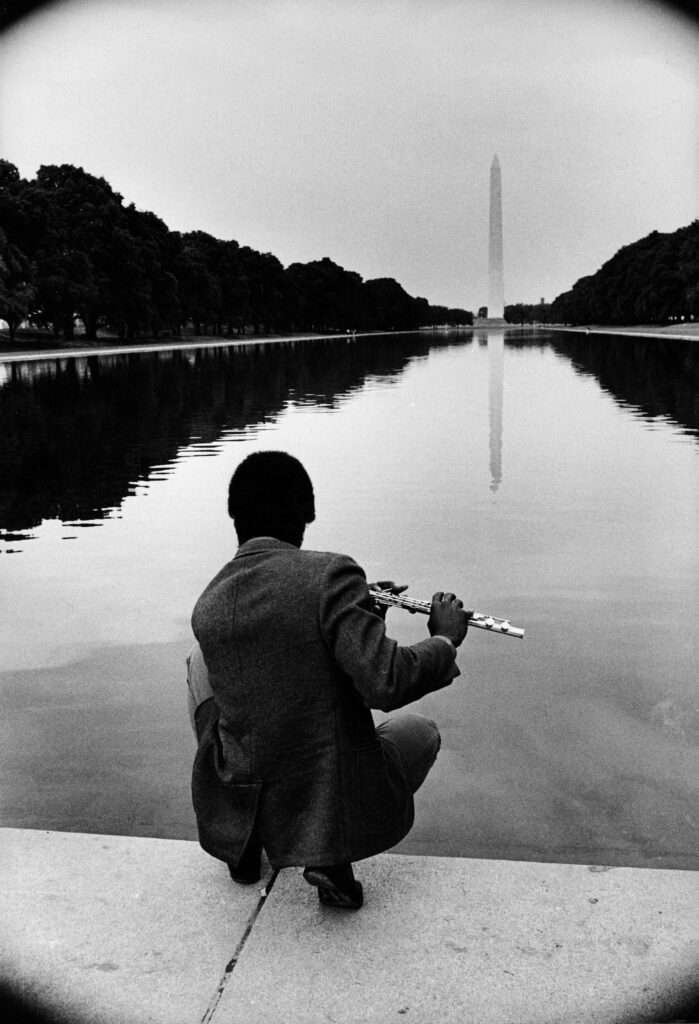
Frederick Douglass is said to be the most photographed person in nineteenth-century America. More than 160 portraits of the brilliant writer, orator, abolitionist, and statesman, taken across a 77-year lifespan, present Douglass in all manner of pose, ranging from dashing revolutionary to sage intellectual, each telegraphing the electric intensity that earned him the sobriquet “The Lion of Anacostia,” a reference to Douglass’s commanding voice and impressive mane of hair. Douglass understood that portraits were a powerful tool for shaping one’s own image. Adopting the clothes and mien of his white counterparts, Douglass declared himself, pictorially, their equal, meanwhile dispelling racial stereotypes of the period. Like his contemporary Sojourner Truth, who famously copyrighted her own portrait and raised money by selling prints—“I sell the shadow to support the substance” appeared below the image on each carte-de-visite mount—Douglass intuited the leveling effect of portraits aided by their widespread circulation. “Men of all conditions may see themselves as others see them,” he wrote. By walking into a portrait studio, a sitter was on equal footing with the rest of society, undergoing the same aesthetic transformation as others—sepia-ed, ennobled, theatricized—according to the pictorial conventions of the time. A studio session was not only a chance for self-presentation but offered access to the same publicity mechanisms employed by the most powerful, such as Abraham Lincoln, possibly the second most photographed man of his day.
A part of Douglass’s statement, of course, refers to the idea of seeing oneself objectively, a wry phenomenon ushered in by photography through portrait studios, both grand and makeshift, which were widespread by the 1850s. Seeing oneself was not only a visual novelty, it boosted a sense of self-worth. Americans previously too poor or marginalized to sit for a painted portrait could now have a likeness. They could be seen, in a political sense, brought from out of the shadows and into the light by the science of photography. For Walt Whitman, the everyman poet whose archive boasts more than 130 distinctive portraits (comparably to Lincoln, if one is counting), photography was already a quintessentially American art form. The “honest” realism of the medium matched, in Whitman’s mind, the unadorned pragmatism of American culture. Moreover, as a technology accessible to the masses as both makers and viewers, photography seemed inherently democratic. What better way to envision a political system of direct democracy than through a medium of direct representation?
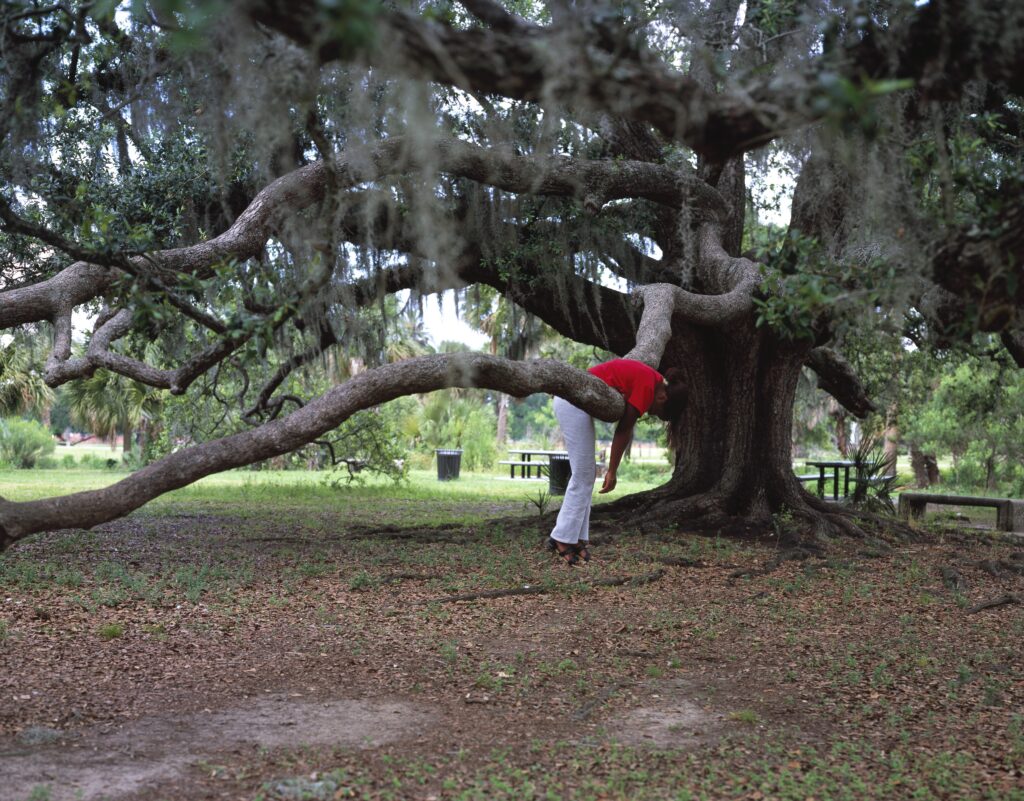
An abundance of portraitists and portrait studios quickly led to personal handheld cameras, commercial developing, video cameras, instamatic cameras, and the widespread publication of photographs and newsreels, such that today, every citizen is a photographer and carries in their pocket their own media production and distribution center, complete with film editing tools and an insatiable audience eager for content. Never has direct representation been so accessible, allowing constant and immediate expression of personal opinion on everything from egregious human rights violations to the First Lady’s outfits.
Indeed, in only a few short decades there has become such an overabundance of photographic perspectives in the world, the din often precludes the formation of the consensus coalitions necessary for achieving real political power within a functioning democracy. Moreover, the steady flow has become easy to manipulate. To “flood the zone,” a common strategy of far-right strategists attempting to overwhelm the news stream with multiple provocative and piquant narratives at a given moment, only plays to an existing media ecology, in which information excess has made specific data points harder and harder to decipher, driving constituents into diminishing echo chambers or out of the political conversation altogether. Former president Barack Obama warned progressives in 2019 to avoid the “circular firing squad,” referring to the fierce battle over the 2020 democratic presidential nomination and the tendency of candidates to snipe at their allies over minor policy differences. In this scenario, direct democracy has become a democracy of small factions, failing in the political arena at achieving those fabled big-tent coalitions necessary for developing lasting and responsible leadership.
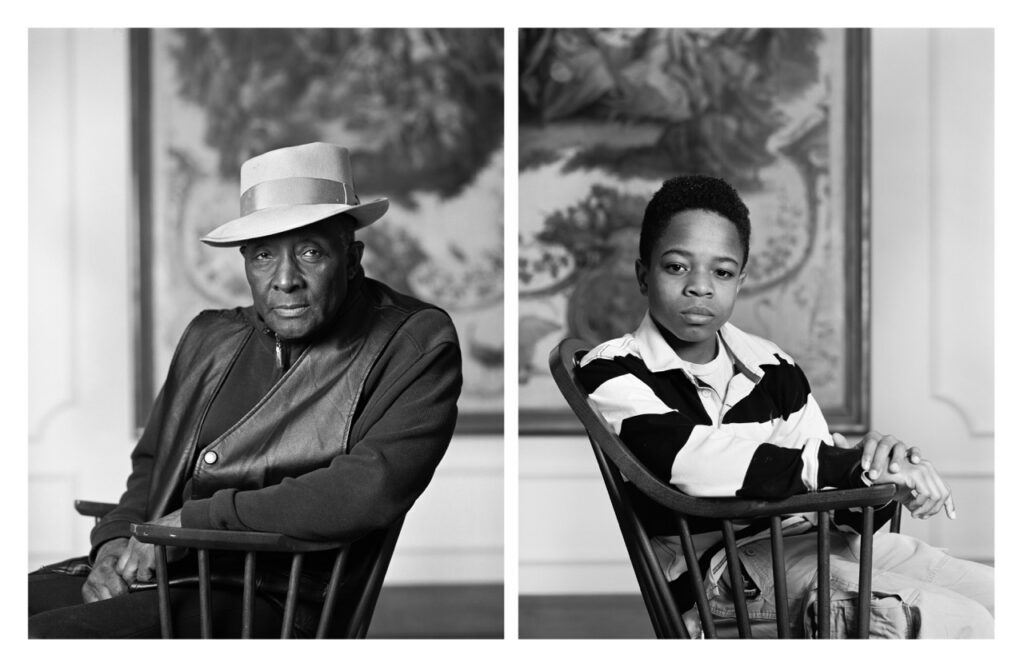
Direct representation has been an elusive goal, even more so in politics. Rebecca Solnit has likened American democracy to a house built in 1776, “big enough only for Christian, property-owning white men.” Over the centuries, she notes, others have clamored to be let in—“people of other faiths or no faith, people of color, poor people, and women.”[i] Progress was made, especially in the twentieth century, which saw victories for women’s suffrage, civil rights, the Equal Rights Amendment, the American with Disabilities Act, and the Respect for Marriage Act. Such measures seemed like an inevitability, a making good on the promises of the Declaration of Independence, especially the line “We hold these truths to be self-evident, that all men are created equal,” though a long time coming. The very idea that such rights might be taken away, taken back, would hardly have occurred to anyone until recently. Isn’t progress linear and irreversible? Historians and seasoned advocates of social justice have known otherwise, pointing to many democracies that have fallen to authoritarian regimes in the not-so-distant past, resulting in dramatic losses of civil liberties for citizens.
We are living in a time of grave need for organization and vision, both in terms of democracy and photography, especially now when free speech and the ability to organize are so under threat. Make no mistake, the fracturing of the American electorate and its political discourse is intended by the adversaries of direct democracy. Recent attempts to ban TikTok, which has become one of the biggest sources of news for adults under thirty, is but one skirmish in the battle to block criticism of the current regime, which now, in 2026, applies more visibly draconian measures against protestors using phone cameras and apps to videotape and publicize police brutality, unwanted military occupations, and ICE arrests in otherwise peaceful communities. At this point, most citizens understand that their iPhones are their only real defense in the presence of such repression. Yet increasingly, photo-video documentation is dismissed as being manipulated or AI-generated—and not without reason. The current administration itself regularly doctors and disseminates photographs, falsely claiming Taylor Swift fans as Trump supporters and linking Kilmar Abrego Garcia, a Salvadoran national caught in controversies over the government’s methods of deportation, to the MS-13 gang by circulating a manipulated image of a tattoo purportedly (and proven not to be) on the accused’s hand. Further upping the ante, Trump posts memes of himself as a fighter pilot, or as Jesus.
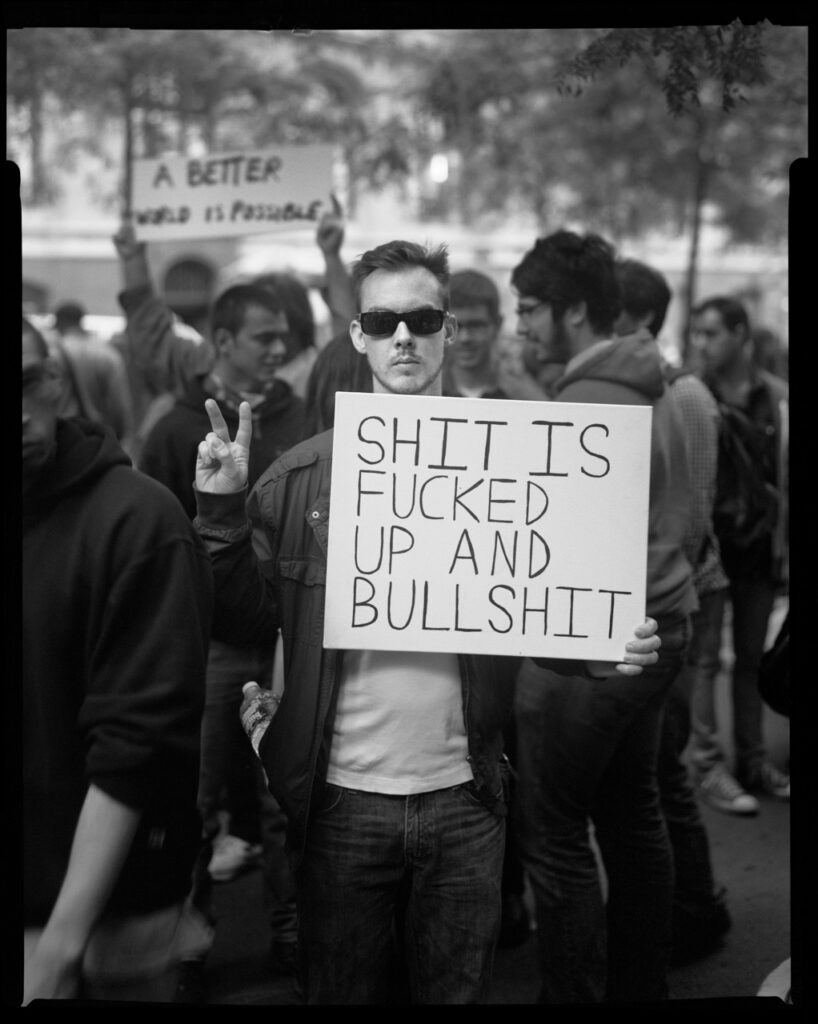
Photography as a democratic process might be likened to that vintage 1776 house, in that the promises of membership were always more symbolic than actual and not subject to regulation. Yet the possibility of catalyzing change through photographic communication remains as palpable as ever. In some ways, photography’s power of persuasion seems to be enjoying a rebirth, especially as the medium is shown and circulated in new forms. Documentary filmmaking, for example, has seen a surge in popularity in the past two decades, in part due to the proliferation of online streaming services such as HBO, Netflix, or National Geographic, many of which also support the production of documentary films. Even more important is Americans’ increasing appetite for extended documentary coverage of real events, a rejection in some ways of the headline media diet provided by both legacy and social media.
But perhaps photography’s biggest social impact is in the art sphere. Even while the market for art photography declines (because of its close proximity to our oversaturated image environments, one ventures), photography’s prominence in institutions and festivals ascends, as viewers seek out more intuitive, subtle, and, paradoxically, direct ways of understanding the complexities of contemporary life, not to mention the achievements and failures of the past. “Culture is how we understand the world,” Harvard art historian Sarah Lewis said in a recent interview. “When it comes to the unspeakable facts in the history of America, it’s largely the artists who’ve been willing to show us what others would not.”[ii]
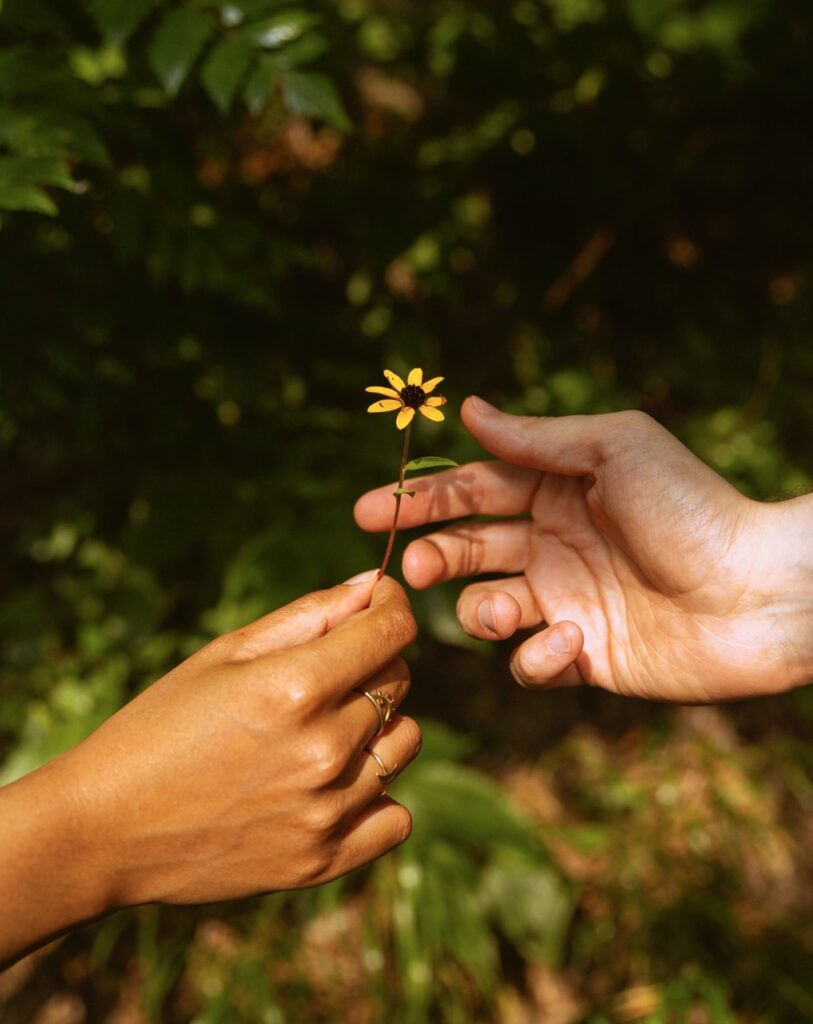
It might be in part that the nuanced and often oblique nature of art as a language of communication has helped to fuel its ascendance within cultural institutions, often (for now) evading the easy technological trolling methods deployed by critics who simply search keywords such as “gay,” “gender,” or “diversity” in an effort to locate objectionable content. Moreover, curatorial approaches to storytelling through objects can provide, at their best, a bodily experience of empathy for other people and unfamiliar histories at once poetic and authentic, not possible through more passive forms of viewing.
Cultural institutions and the artists they champion are today coming under attack, in large part because they remain fierce advocates of big-tent idealism, telling a broad range of stories about a broad range of peoples, and welcoming all into the halls to experience those tellings. They are under attack because they promote another mode of free speech, one increasingly identified as dangerous to the current political regime. Which only testifies to the power of the artists and institutions as not just storytellers but truth tellers. “The tyrant fears the poet,” one of Youth Poet Laureate Amanda Gorman’s most searing lines, is not just a defiant cry but a reminder of all the diverse individual voices that compose the fabric of American democracy, voices that refuse to be silenced.
1. Rebecca Solnit, “Tyranny of the Minority,” Harper’s Magazine (March 2017).
2. Folasade Ologundudu, “Sarah Lewis on Ways of Seeing Race in America,” interview, Hyperallergic, December 14, 2024.