Trevor Paglen: the most merciful thing in the world
October 1, 2026–January 23, 2027
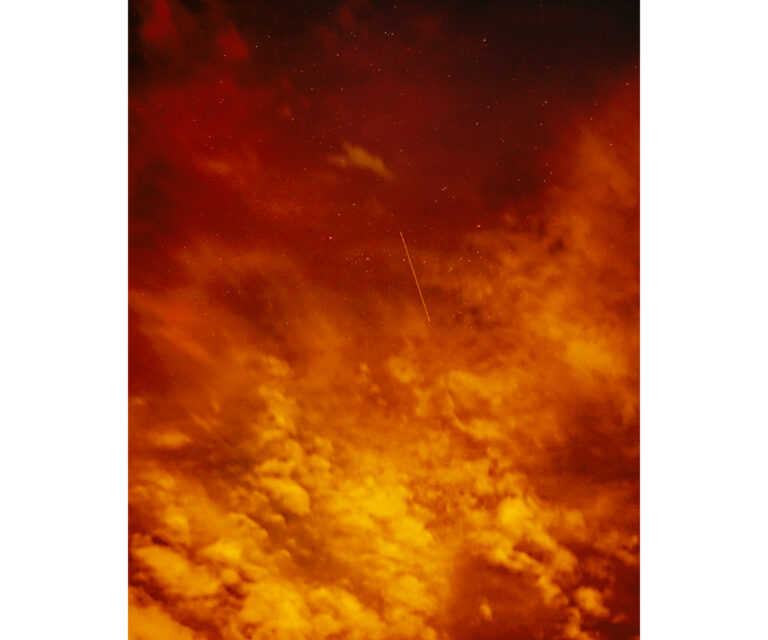
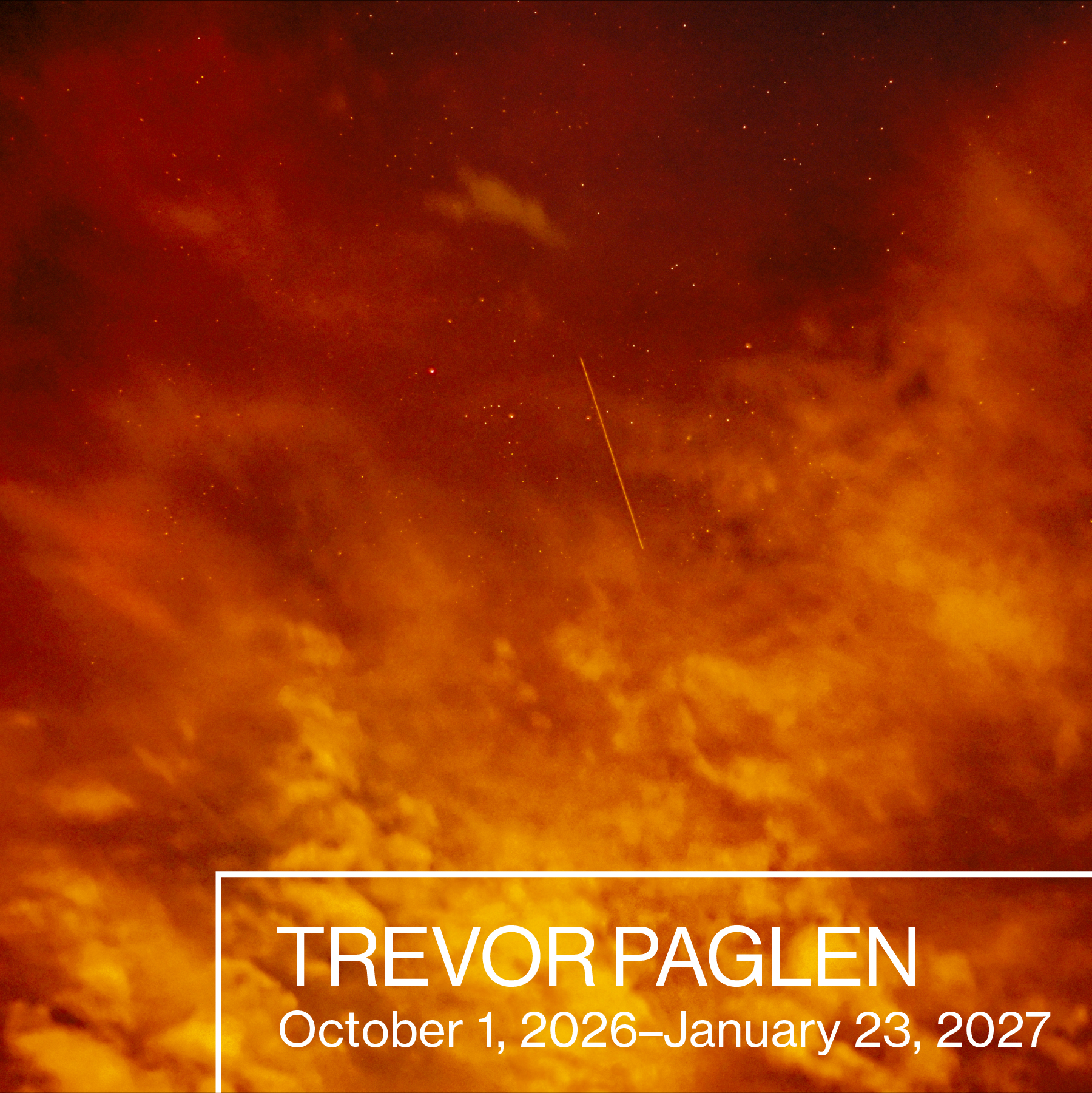
Trevor Paglen, KEYHOLE 12-3 (IMPROVED CRYSTAL) Optical Reconnaissance Satellite Near Scorpio (USA 129), 2007. C-print, 60 × 48 inches. © Trevor Paglen. Courtesy of The Artist and Fellowship and Jessica Silverman Gallery, San Francisco and Pace Gallery, New York
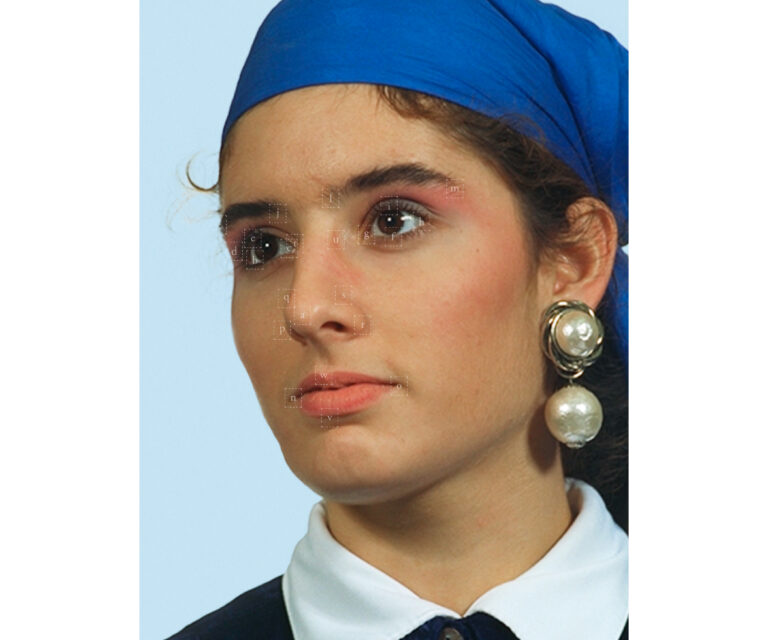
Trevor Paglen, It Began as a Military Experiment (detail), 2017. Set of ten pigment prints, 13⅝ × 10½ inches. © Trevor Paglen. Courtesy of The Artist and Fellowship and Jessica Silverman Gallery, San Francisco and Pace Gallery, New York
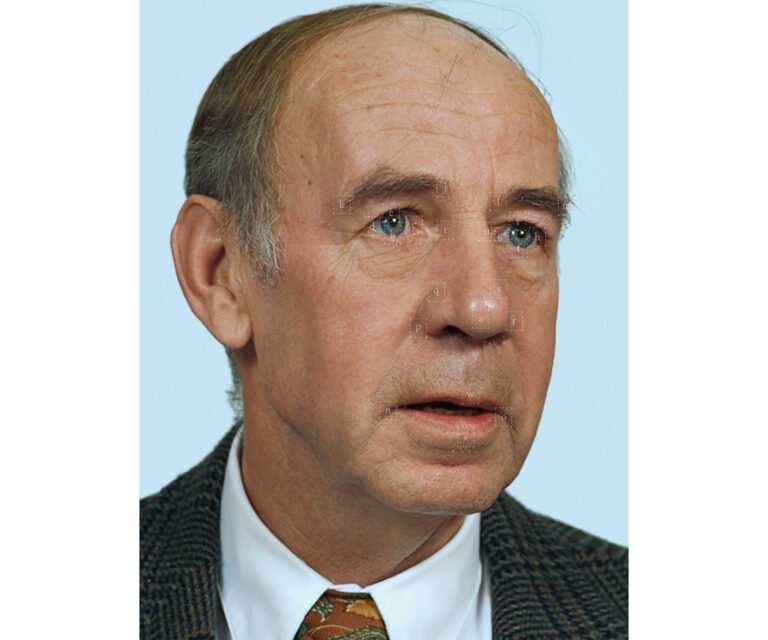
Trevor Paglen, It Began as a Military Experiment (detail), 2017. Set of ten pigment prints, 13⅝ × 10½ inches. © Trevor Paglen. Courtesy of The Artist and Fellowship and Jessica Silverman Gallery, San Francisco and Pace Gallery, New York
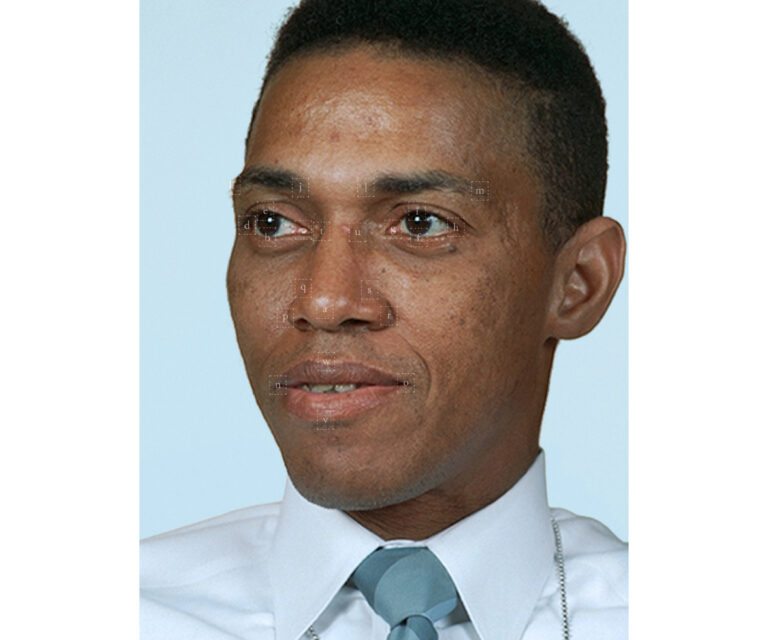
Trevor Paglen, It Began as a Military Experiment (detail), 2017. Set of ten pigment prints, 13⅝ × 10½ inches. © Trevor Paglen. Courtesy of The Artist and Fellowship and Jessica Silverman Gallery, San Francisco and Pace Gallery, New York
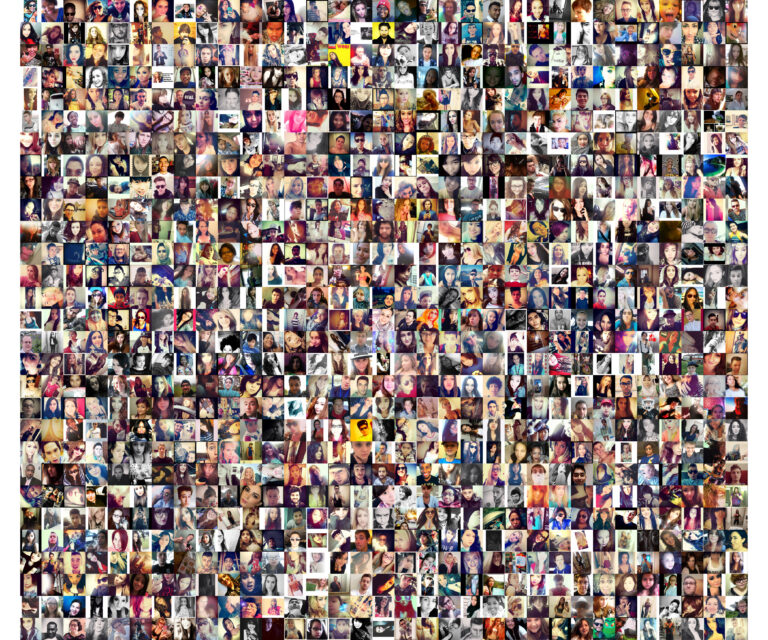
Trevor Paglen, Faces of ImageNet (detail), 2022. Interactive video installation, dimensions variable. © Trevor Paglen. Courtesy of The Artist and Fellowship and Jessica Silverman Gallery, San Francisco and Pace Gallery, New York
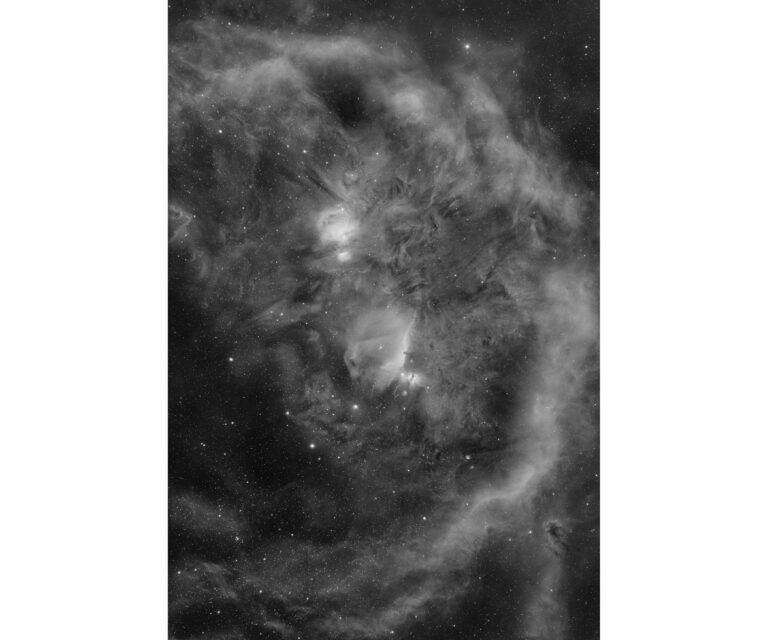
Trevor Paglen, UNKNOWN #87991 (Unclassified object near The 13th Pearl), 2023. Gelatin silver print, 80 × 54 inches. © Trevor Paglen. Courtesy of The Artist and Fellowship and Jessica Silverman Gallery, San Francisco and Pace Gallery, New York
Trevor Paglen operates at the crossroads of art, technology, and philosophy. His work explores image-making technologies as increasingly powerful animators of geopolitical exchange and arbiters of how we see our world. Balancing tensions between the visible and invisible, beauty and terror, Paglen reveals the ways digital imagery mimics traditional forms of representation while spawning unfamiliar and, at times, unsettling motifs.
His interest in images that are not based on human vision, but as logical outcomes of computational processes, stems from Paglen’s fascination with the sublime, an 18th-century philosophy of nature as both awe-inspiring and threatening. While considering Romantic paintings that visualized this concept, Paglen has asked: “What are the monsters in our skies now?” This reframing of the sublime, coined by theorist Hal Foster as the techno-sublime, no longer considers nature as the ominous threat but rather human-wielded technology such as spy satellites, Reaper drones, and rendition flights.
Trevor Paglen: the most merciful thing in the world features photography, video, and sculpture spanning a twenty-year period, presenting works that activate—through telescopic and computer vision—new ways of seeing the world while revealing what is designed to remain unseen within systems of surveillance or military power. The exhibition subtitle is borrowed from science fiction writer H. P. Lovecraft (1890–1937): “the most merciful thing in the world” is our ignorance, which ultimately protects us from fully comprehending the vast and terrifying universe. Across multiple distinct series, this exhibition examines how human interactions with technology—from telescopic views of military sites and the cosmos, to interactive facial-recognition technologies, to the darker prospects of AI-generated imagery and alternate-reality games—test the capacities of human perception and cognition.
Curated by Kevin Moore, FotoFocus Artistic Director and Curator
Browse related Press Releases and Media Coverage. To access supplemental Exhibition content and plan your visit explore our digital guide.
Sponsors